
Link analytics has undergone a remarkable transformation since its inception. Initially, the focus was primarily on tracking the number of clicks a link received, providing a rudimentary understanding of user engagement. As digital marketing evolved, so did the sophistication of link analytics tools. Marketers began to realize that mere click counts were insufficient for crafting effective strategies. They needed deeper insights into user behavior, preferences, and the overall effectiveness of their campaigns. This shift led to the development of more advanced metrics, such as click-through rates, conversion rates, and user demographics, allowing businesses to tailor their marketing efforts more precisely.
Today, link analytics encompasses a wide array of data points that provide a comprehensive view of audience interactions. With the advent of big data and machine learning, marketers can now analyze vast amounts of information in real-time. This evolution has enabled businesses to not only track how many people clicked on a link but also understand the context behind those clicks. For instance, knowing which geographic regions are most engaged with specific content can inform targeted marketing strategies. As we move forward, the integration of artificial intelligence and predictive analytics promises to further enhance our understanding of link performance and audience behavior.
In the evolving landscape of digital marketing, understanding your audience is crucial for success, and the article “Link Analytics: Understanding Your Audience in 2026” provides valuable insights into this topic. For further exploration of how analytics can enhance your marketing strategies, you can check out this related article on various use cases of analytics at QR8 Tech Use Cases. This resource highlights practical applications that can help businesses leverage data to better connect with their target audience.
Key Takeaways
- Link analytics has evolved to provide deeper insights into audience behavior and preferences.
- Understanding your audience is crucial for effective marketing and content strategies.
- Artificial intelligence enhances link analytics by enabling predictive audience insights.
- Link analytics supports personalized marketing while adapting to privacy-first regulations.
- Ethical considerations are increasingly important in the use of link analytics by 2026.
The Importance of Understanding Your Audience
Understanding your audience is paramount in today’s competitive landscape. Businesses that grasp the nuances of their target market can create more effective marketing strategies, leading to higher engagement and conversion rates. Knowing who your audience is—demographics, interests, and pain points—allows for the development of tailored content that resonates with them. This personalized approach not only fosters brand loyalty but also enhances customer satisfaction, as consumers feel understood and valued.
Moreover, understanding your audience goes beyond basic demographics; it involves delving into their behaviors and preferences. For instance, what platforms do they frequent? What type of content do they engage with most? By answering these questions, businesses can optimize their marketing efforts to meet their audience where they are. This level of insight is crucial for crafting messages that not only capture attention but also drive action. In an era where consumers are bombarded with information, standing out requires a deep understanding of what makes your audience tick.
How Link Analytics Can Help You Understand Your Audience
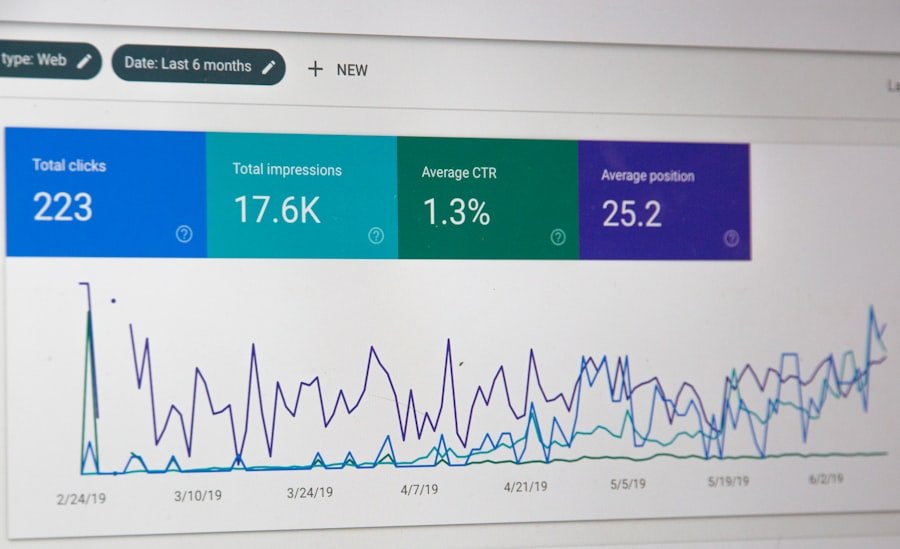
Link analytics serves as a powerful tool for gaining insights into audience behavior and preferences. By analyzing data from links shared across various platforms, businesses can identify which content resonates most with their audience. For example, if a particular blog post generates significantly more clicks than others, it indicates a strong interest in that topic. This information can guide future content creation efforts, ensuring that businesses focus on subjects that truly engage their audience.
Additionally, link analytics can reveal demographic information about users who interact with specific links. By understanding the age, gender, location, and interests of those clicking on your links, businesses can refine their marketing strategies to better align with their target audience. This data-driven approach allows for more effective segmentation and personalization, ultimately leading to improved engagement rates. In essence, link analytics acts as a compass, guiding businesses toward a deeper understanding of their audience and enabling them to craft more relevant and impactful marketing campaigns.
The Role of Artificial Intelligence in Link Analytics

Artificial intelligence (AI) is revolutionizing link analytics by providing advanced capabilities for data analysis and interpretation. AI algorithms can process vast amounts of data at unprecedented speeds, identifying patterns and trends that would be impossible for humans to discern manually. This capability allows marketers to gain insights into audience behavior in real-time, enabling them to make informed decisions quickly.
Moreover, AI enhances predictive analytics within link analytics frameworks. By analyzing historical data, AI can forecast future trends and user behaviors, allowing businesses to anticipate their audience’s needs and preferences. This proactive approach not only improves marketing effectiveness but also fosters a more personalized experience for users. As AI continues to evolve, its integration into link analytics will likely lead to even more sophisticated tools that empower marketers to understand and engage their audiences on a deeper level.
In the ever-evolving landscape of digital marketing, understanding your audience is crucial for success. A related article that delves deeper into this topic is titled “Link Analytics: Understanding Your Audience in 2026.” This piece explores the future of audience engagement and the tools that will shape our strategies. For more insights on how to connect with your audience effectively, you can check out the article at this link.
The Future of Link Analytics: Predictive Audience Insights
| Metric | Description | 2026 Projected Value | Importance |
|---|---|---|---|
| Click-Through Rate (CTR) | Percentage of users who click on a link after seeing it | 7.8% | High |
| Unique Visitors | Number of distinct users clicking on the link | 1,250,000 | High |
| Average Time on Link | Average duration users spend engaging with linked content | 4 minutes 35 seconds | Medium |
| Geographic Distribution | Top regions where users are clicking links | North America (40%), Europe (30%), Asia (20%), Others (10%) | Medium |
| Device Type | Percentage of clicks by device category | Mobile (65%), Desktop (30%), Tablet (5%) | High |
| Conversion Rate | Percentage of users completing a desired action after clicking | 3.5% | High |
| Referral Source | Channels driving traffic to the link | Social Media (50%), Email (25%), Organic Search (15%), Paid Ads (10%) | High |
| Bounce Rate | Percentage of users who leave immediately after clicking | 28% | Medium |
The future of link analytics lies in its ability to provide predictive audience insights that can shape marketing strategies. As technology advances, marketers will have access to increasingly sophisticated tools that leverage machine learning algorithms to analyze user behavior patterns over time. This capability will enable businesses to not only react to current trends but also anticipate future shifts in audience preferences.
Predictive analytics will allow marketers to create highly targeted campaigns based on anticipated user behavior. For instance, if data indicates a growing interest in sustainability among a specific demographic, businesses can tailor their messaging and content accordingly. This forward-thinking approach will not only enhance engagement but also position brands as thought leaders in their respective industries. As we look ahead, the integration of predictive insights into link analytics will be a game-changer for marketers seeking to stay ahead of the curve.
In the ever-evolving landscape of digital marketing, understanding your audience has become more crucial than ever. A related article that delves into this topic is “Link Analytics: Understanding Your Audience in 2026,” which explores innovative strategies for audience engagement. For more insights on how to effectively connect with your target demographic, you can visit the qr8.
tech/about-us/’>about us page, where you will find valuable information on leveraging analytics for better audience understanding.
Leveraging Link Analytics for Personalized Marketing
Please Sign Up to access exclusive features and updates.
Personalized marketing has become a cornerstone of successful digital strategies, and link analytics plays a crucial role in this endeavor. By analyzing user interactions with links, businesses can gather valuable data that informs personalized marketing efforts. For instance, if a user frequently clicks on links related to product reviews or comparisons, marketers can tailor their communications to highlight similar content or offers that align with those interests.
Furthermore, link analytics enables businesses to segment their audiences based on behavior and preferences. This segmentation allows for targeted campaigns that resonate with specific groups rather than adopting a one-size-fits-all approach. Personalized marketing not only increases engagement rates but also fosters stronger connections between brands and consumers. As customers increasingly expect tailored experiences, leveraging link analytics for personalization will be essential for businesses looking to thrive in a competitive landscape.
Link Analytics and the Shift Towards Privacy-First Marketing
As concerns about data privacy continue to grow, link analytics must adapt to a privacy-first marketing landscape. Consumers are becoming more aware of how their data is collected and used, leading to increased demand for transparency and control over personal information. In response, businesses must prioritize ethical data practices while still leveraging link analytics for insights.
This shift towards privacy-first marketing means that companies need to be more strategic in how they collect and analyze data from links. Instead of relying solely on personal identifiers, businesses can focus on aggregated data that provides valuable insights without compromising individual privacy. By adopting privacy-conscious practices in link analytics, companies can build trust with their audiences while still gaining the insights necessary for effective marketing strategies.
The Impact of Link Analytics on Content Strategy
Link analytics has a profound impact on content strategy by providing actionable insights into what resonates with audiences. By analyzing which links receive the most clicks and engagement, marketers can identify high-performing content types and topics. This information allows businesses to refine their content strategies, focusing on areas that drive traffic and engagement while phasing out less effective approaches.
Moreover, link analytics can inform the timing and distribution of content. Understanding when audiences are most likely to engage with specific links enables marketers to optimize their publishing schedules for maximum impact. By aligning content strategy with data-driven insights from link analytics, businesses can create more relevant and timely content that captures attention and drives conversions.
Link Analytics and the Rise of Voice Search
The rise of voice search is reshaping how consumers interact with digital content, and link analytics plays a vital role in understanding this shift. As more users turn to voice-activated devices for information retrieval, businesses must adapt their strategies accordingly. Link analytics can help identify which types of content are most frequently accessed via voice search, providing insights into user intent and preferences.
By analyzing voice search data alongside traditional link metrics, marketers can optimize their content for voice queries. This may involve adjusting keyword strategies or creating content that directly answers common questions posed by users through voice search. As voice search continues to grow in popularity, leveraging link analytics will be essential for staying relevant in an evolving digital landscape.
The Integration of Link Analytics with Other Marketing Tools
Integrating link analytics with other marketing tools is crucial for creating a cohesive strategy that maximizes insights across platforms. By combining link analytics with customer relationship management (CRM) systems or email marketing platforms, businesses can gain a holistic view of user interactions throughout the customer journey. This integration allows for more effective segmentation and targeting based on comprehensive data sets.
Furthermore, linking analytics with social media management tools enables marketers to track how links perform across different channels. Understanding which platforms drive the most traffic can inform future social media strategies and content distribution efforts. As technology continues to advance, seamless integration between link analytics and other marketing tools will empower businesses to make data-driven decisions that enhance overall performance.
The Ethical Considerations of Link Analytics in 2026
As we look towards 2026 and beyond, ethical considerations surrounding link analytics will become increasingly important. With growing concerns about data privacy and security, businesses must navigate the fine line between leveraging data for insights and respecting consumer rights. Transparency in data collection practices will be essential for building trust with audiences.
Moreover, ethical considerations extend beyond privacy; they also encompass issues related to bias in data analysis and representation. Marketers must ensure that their use of link analytics does not perpetuate stereotypes or exclude certain demographics from targeted campaigns. By prioritizing ethical practices in link analytics, businesses can foster a more inclusive digital landscape while still gaining valuable insights into audience behavior.
In conclusion, link analytics has evolved into a powerful tool for understanding audiences and shaping effective marketing strategies. As technology continues to advance, its role will only become more significant in driving personalized experiences while navigating the complexities of privacy and ethics in the digital age.
FAQs
What is link analytics?
Link analytics refers to the process of tracking, measuring, and analyzing the performance of hyperlinks to understand user behavior, traffic sources, and engagement patterns. It helps businesses and marketers optimize their online strategies by providing insights into how audiences interact with links.
Why is understanding your audience important in link analytics?
Understanding your audience allows you to tailor content, marketing campaigns, and user experiences to meet their preferences and needs. In link analytics, this means identifying which links resonate most with different segments, improving targeting, and increasing conversion rates.
What tools are commonly used for link analytics in 2026?
In 2026, popular link analytics tools include advanced platforms like Google Analytics 4, Bitly, HubSpot, and AI-powered analytics software that offer real-time data, predictive insights, and integration with other marketing technologies to provide comprehensive audience understanding.
How can link analytics improve marketing strategies?
Link analytics provides data on click-through rates, user demographics, device types, and referral sources. Marketers can use this information to optimize content placement, personalize messaging, allocate budgets effectively, and enhance overall campaign performance.
What are the privacy considerations in link analytics?
With increasing data privacy regulations such as GDPR and CCPA, link analytics must be conducted with user consent and transparency. Anonymizing data, respecting opt-out preferences, and ensuring secure data handling are essential to comply with legal standards and maintain user trust.