
QR codes, short for Quick Response codes, are two-dimensional barcodes that can store a wealth of information in a compact format. Originally developed in 1994 by a Japanese company called Denso Wave, these codes have evolved into a versatile tool for various applications, particularly in marketing and consumer engagement. Unlike traditional barcodes, which can only hold a limited amount of data, QR codes can store URLs, text, contact information, and even multimedia content. This capability makes them an invaluable asset for businesses looking to connect with customers in an efficient and engaging manner.
The functionality of QR codes is straightforward yet powerful. When scanned using a smartphone camera or a dedicated QR code reader, the code translates the encoded information into a readable format. This process is instantaneous, allowing users to access websites, download apps, or retrieve promotional offers with just a simple scan. The widespread availability of smartphones has significantly contributed to the popularity of QR codes, as they provide a seamless bridge between the physical and digital worlds. As consumers increasingly seek convenience and instant access to information, QR codes have become an essential tool for businesses aiming to enhance customer experience.
For small businesses looking to enhance their marketing strategies, exploring the potential of QR codes can be incredibly beneficial. A related article that delves deeper into this topic is “The Ultimate QR Code Marketing Guide,” which provides insights on how to effectively implement QR codes in various promotional campaigns. You can read more about it by visiting this link: The Ultimate QR Code Marketing Guide. This resource complements “The Complete Guide to QR Codes for Small Businesses” by offering practical tips and real-world examples to maximize the impact of QR codes in your business.
Key Takeaways
- QR codes provide a quick and easy way for customers to access information or services via their smartphones.
- Small businesses can boost engagement and streamline operations by integrating QR codes into marketing and payment systems.
- Designing effective QR codes involves clear placement, attractive visuals, and ensuring they link to mobile-friendly content.
- Tracking QR code scans helps businesses analyze customer behavior and optimize marketing strategies.
- Emerging trends include enhanced security features and expanded uses like contactless payments and interactive campaigns.
The Benefits of Using QR Codes for Small Businesses
For small businesses, the adoption of QR codes can lead to numerous advantages that enhance marketing efforts and improve customer engagement. One of the most significant benefits is cost-effectiveness. Creating and implementing QR codes is relatively inexpensive compared to traditional advertising methods. Small businesses can generate their own QR codes using various online tools without incurring substantial costs. This affordability allows them to allocate resources to other critical areas while still maintaining an effective marketing strategy.
Moreover, QR codes offer measurable results that can help small businesses refine their marketing strategies. By tracking how many times a code has been scanned, businesses can gain insights into customer behavior and preferences. This data can inform future campaigns and help tailor offerings to meet the needs of their target audience. Additionally, QR codes can be easily integrated into various marketing materials, such as flyers, business cards, and product packaging, making them a versatile tool for reaching customers across multiple channels.
How to Create a QR Code for Your Business

Creating a QR code for your business is a straightforward process that requires minimal technical expertise.
The first step is to determine the type of content you want the QR code to link to—this could be a website, social media profile, or even a digital menu.
Once you have identified the content, you can use one of the many free or paid QR code generators available online. These tools typically allow you to input the desired URL or information and customize the design of the QR code to align with your brand identity.
After generating the QR code, it’s essential to test it thoroughly before deploying it in your marketing materials. Use different devices and scanning apps to ensure that it works seamlessly across various platforms. Once you’re confident in its functionality, you can incorporate the QR code into your promotional materials. Whether printed on flyers or displayed on your website, make sure it is easily accessible and prominently placed so that customers can scan it without difficulty.
Creative Ways to Use QR Codes in Your Marketing Strategy
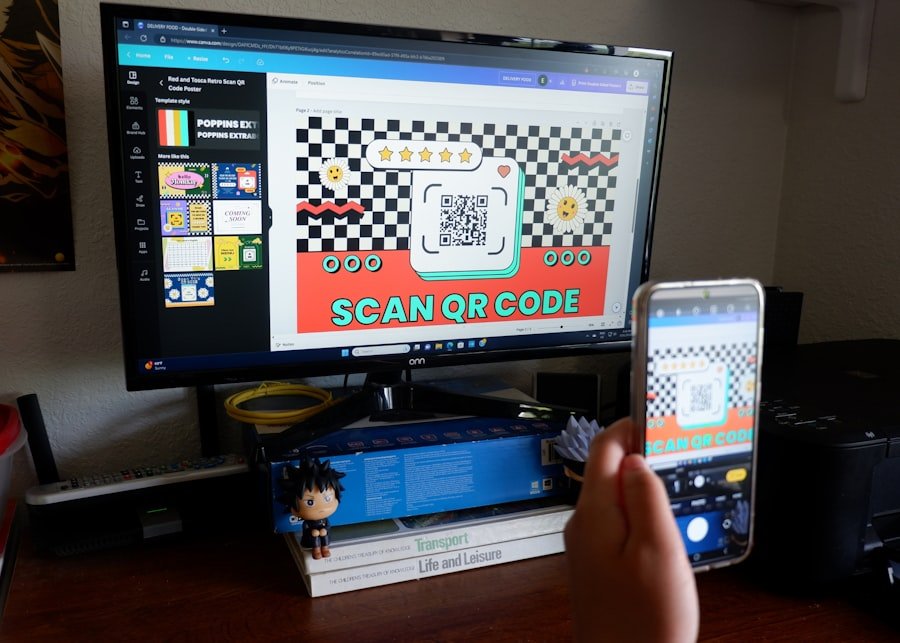
The versatility of QR codes opens up a world of creative possibilities for businesses looking to engage their audience. One innovative approach is to use QR codes in print advertising campaigns. For instance, businesses can place QR codes on posters or billboards that link directly to exclusive online content or special promotions. This not only drives traffic to their website but also encourages potential customers to interact with their brand in a meaningful way.
Another creative application is incorporating QR codes into product packaging. By scanning the code, customers can access additional information about the product, such as usage instructions, recipes, or even customer reviews. This added layer of engagement enhances the customer experience and can lead to increased brand loyalty. Additionally, businesses can use QR codes in event marketing by placing them on tickets or promotional materials that link to event schedules or exclusive behind-the-scenes content.
If you’re looking to enhance your understanding of QR codes and their applications for small businesses, you might find the article on effective marketing strategies particularly useful. It provides insights into how QR codes can be integrated into various promotional efforts, making them a valuable tool for engagement. To explore more about this topic, check out this related article that delves into innovative ways to leverage technology in your marketing campaigns.
Best Practices for Designing and Placing QR Codes
| Metric | Description | Typical Value / Range | Importance for Small Businesses |
|---|---|---|---|
| QR Code Scan Rate | Percentage of customers who scan the QR code when presented | 20% – 50% | Indicates customer engagement and effectiveness of QR placement |
| Conversion Rate from QR Code | Percentage of scans that lead to a desired action (purchase, signup) | 5% – 15% | Measures the success of QR code campaigns in driving business goals |
| Average Time Spent on Linked Page | Duration users spend on the landing page accessed via QR code | 30 seconds – 2 minutes | Helps assess content relevance and user interest |
| Cost to Generate QR Code | Expense involved in creating and customizing a QR code | Free – Low cost | Low barrier to entry for small businesses to implement QR codes |
| Types of QR Codes Used | Static vs Dynamic QR codes | Static (fixed data), Dynamic (editable data) | Dynamic codes offer flexibility and tracking, preferred for marketing |
| Common Use Cases | Applications of QR codes in small business | Menus, Payments, Promotions, Contact Info, Reviews | Enhances customer experience and streamlines operations |
| Tracking & Analytics Availability | Ability to monitor scans and user behavior | Available with dynamic QR codes | Essential for measuring campaign effectiveness and ROI |
To maximize the effectiveness of QR codes, businesses should adhere to best practices in both design and placement. When designing a QR code, it’s crucial to ensure that it is visually appealing while remaining functional. Customizing the color and adding a logo can help reinforce brand identity; however, it’s essential not to compromise the code’s scannability. High contrast between the code and its background will enhance visibility and make it easier for users to scan.
Placement is equally important; QR codes should be positioned where they are easily accessible and visible to potential customers. For instance, placing them at eye level on posters or flyers increases the likelihood of engagement. Additionally, providing clear instructions on how to scan the code can help alleviate any confusion for users who may be unfamiliar with the technology. By following these best practices, businesses can ensure that their QR codes effectively drive engagement and enhance customer interaction.
Tracking and Analyzing QR Code Performance
Please Sign Up to access exclusive features and updates.
One of the most significant advantages of using QR codes is the ability to track and analyze their performance. Many QR code generators offer analytics features that provide insights into how often a code has been scanned, where scans are taking place, and what devices are being used. This data is invaluable for businesses looking to understand customer behavior and refine their marketing strategies accordingly.
By analyzing this information, businesses can identify trends and patterns that inform future campaigns. For example, if a particular QR code linked to a promotional offer sees high engagement in a specific geographic area, businesses may choose to focus their marketing efforts in that region. Additionally, tracking performance over time allows businesses to assess the effectiveness of different campaigns and make data-driven decisions that enhance overall marketing success.
Integrating QR Codes with Your Social Media and Online Presence
Integrating QR codes with social media platforms and online presence can significantly enhance customer engagement and drive traffic across multiple channels.
For instance, businesses can create QR codes that link directly to their social media profiles or specific posts, encouraging customers to follow them for updates and promotions.
This seamless connection between offline marketing materials and online platforms fosters a cohesive brand experience.
Moreover, businesses can use QR codes in email marketing campaigns by including them in newsletters or promotional emails. By linking these codes to exclusive content or special offers on their website, businesses can incentivize customers to engage further with their brand. This integration not only boosts online visibility but also encourages customers to share their experiences on social media, amplifying brand reach through user-generated content.
QR Code Security and Privacy Considerations
As with any technology that collects data, security and privacy considerations are paramount when using QR codes in business operations. Businesses must ensure that the links embedded within their QR codes lead to secure websites (HTTPS) to protect user data during transmission. Additionally, it’s essential to be transparent with customers about how their data will be used if they are required to provide personal information after scanning a code.
Furthermore, businesses should regularly monitor their QR codes for any unauthorized changes or malicious redirects that could compromise user security. Educating customers about potential risks associated with scanning unknown QR codes is also crucial; this helps build trust and encourages responsible scanning behavior among users.
Using QR Codes for Contactless Payments and Transactions
The rise of contactless payments has made QR codes an increasingly popular option for facilitating transactions in various industries. Businesses can implement QR codes as part of their payment systems, allowing customers to complete purchases quickly and securely by scanning a code with their mobile devices. This method not only enhances convenience but also aligns with growing consumer preferences for contactless interactions.
In addition to retail environments, restaurants have successfully adopted QR codes for contactless menus and payment processing. Customers can scan a code at their table to view the menu on their smartphones and place orders without physical contact with staff or menus. This approach not only streamlines operations but also enhances safety during times when hygiene is paramount.
QR Code Trends and Future Developments
As technology continues to evolve, so too do the applications and capabilities of QR codes. One emerging trend is the integration of augmented reality (AR) with QR codes, allowing users to access immersive experiences through their smartphones when they scan a code. This innovation opens up new avenues for storytelling and engagement in marketing campaigns.
Additionally, as more businesses recognize the value of data analytics associated with QR codes, we can expect advancements in tracking capabilities that provide even deeper insights into consumer behavior. The future may also see increased adoption of dynamic QR codes—codes that can be edited after creation—allowing businesses greater flexibility in updating content without generating new codes.
Success Stories of Small Businesses Using QR Codes
Numerous small businesses have successfully harnessed the power of QR codes to enhance their marketing efforts and drive growth. For example, a local coffee shop implemented QR codes on its cups that linked customers directly to an online loyalty program. This initiative not only increased customer engagement but also boosted repeat visits as patrons were incentivized to return for rewards.
Another success story comes from a boutique clothing store that used QR codes on its window displays to showcase exclusive online collections. Passersby could scan the codes to view items not available in-store, driving traffic to the website and increasing online sales significantly. These examples illustrate how small businesses can leverage QR codes creatively to connect with customers and achieve tangible results in today’s competitive market landscape.
In conclusion, as technology continues to advance and consumer preferences evolve, integrating QR codes into business strategies presents an opportunity for small businesses to enhance customer engagement and drive growth effectively. By understanding how they work, leveraging their benefits creatively, and adhering to best practices for implementation, businesses can position themselves for success in an increasingly digital world.
FAQs
What are QR codes and how do they work for small businesses?
QR codes (Quick Response codes) are two-dimensional barcodes that can be scanned using a smartphone camera to quickly access information such as websites, contact details, or promotional offers. For small businesses, QR codes provide an easy way to connect customers to digital content, streamline transactions, and enhance marketing efforts.
How can small businesses create their own QR codes?
Small businesses can create QR codes using various free or paid online QR code generators. These tools allow users to input URLs, text, or other data, customize the design, and download the QR code image for printing or digital use. It’s important to test the QR code to ensure it scans correctly before distribution.
What are the best uses of QR codes for small businesses?
Small businesses can use QR codes for multiple purposes, including directing customers to their website or social media pages, providing digital menus or product catalogs, enabling contactless payments, collecting customer feedback, and offering discounts or loyalty programs. QR codes help improve customer engagement and operational efficiency.
Are QR codes secure for business use?
QR codes themselves are safe as they only store data, but the security depends on the destination linked to the code. Small businesses should ensure that QR codes direct customers to secure, trusted websites and avoid linking to suspicious or unverified content to protect users from phishing or malware risks.
What are some tips for effectively using QR codes in marketing?
To maximize the effectiveness of QR codes, small businesses should place them in visible locations, provide clear instructions on how to scan, use high-contrast designs for easy scanning, track scan analytics to measure engagement, and regularly update the linked content to keep it relevant and valuable to customers.